· Furuize Team · Sourcing Guide · 4 min read
Build vs OEM Menstrual Cup Manufacturing — Why Brands Outsource to a Factory
Should you build a menstrual cup plant or partner with an OEM manufacturer? Most brands win with private label and wholesale OEM — capex reality, timeline, and the outsource path.
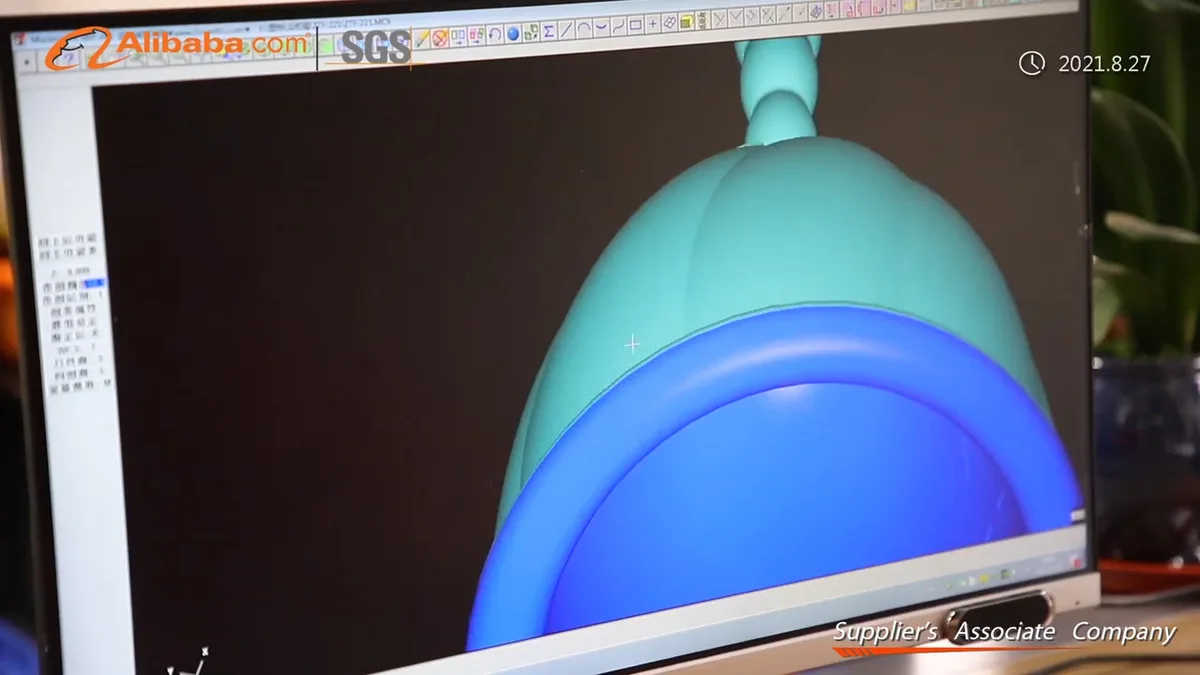
Every successful private-label cup brand eventually asks: should we own the factory? The fantasy is margin capture; the reality is ISO 13485 systems, cleanroom HVAC, LSR crews, and notified-body relationships that take years to stabilize. For nearly all DTC brands, distributors, and pharmacy private labels, the high-ROI path is partnering with an established menstrual cup manufacturer — not greenfield plant investment.
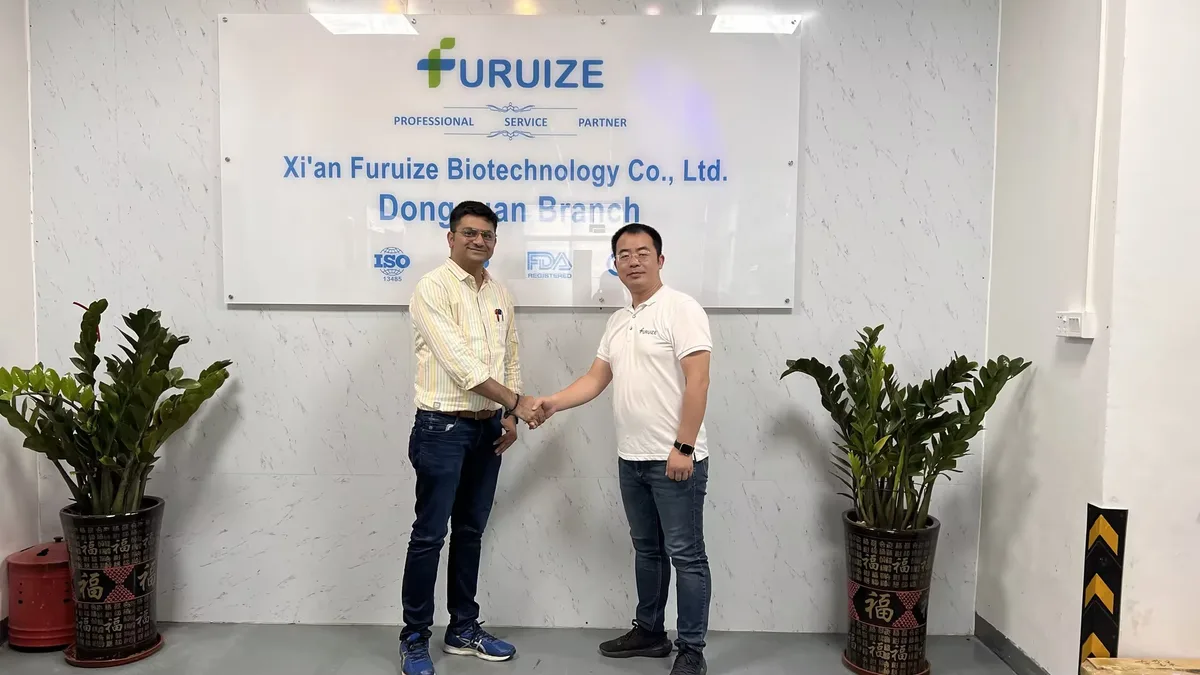
This guide is a Build vs OEM decision framework for founders and procurement leads. It explains why plant ownership rarely beats private label OEM or bulk wholesale at real brand volumes, and how to evaluate a factory partner such as Xi’an Furuize Biotechnology. For unit-level brand launch math, see private label cost breakdown; for supplier scoring, see how to choose a menstrual cup supplier.
What a Real Menstrual Cup Manufacturer Must Include
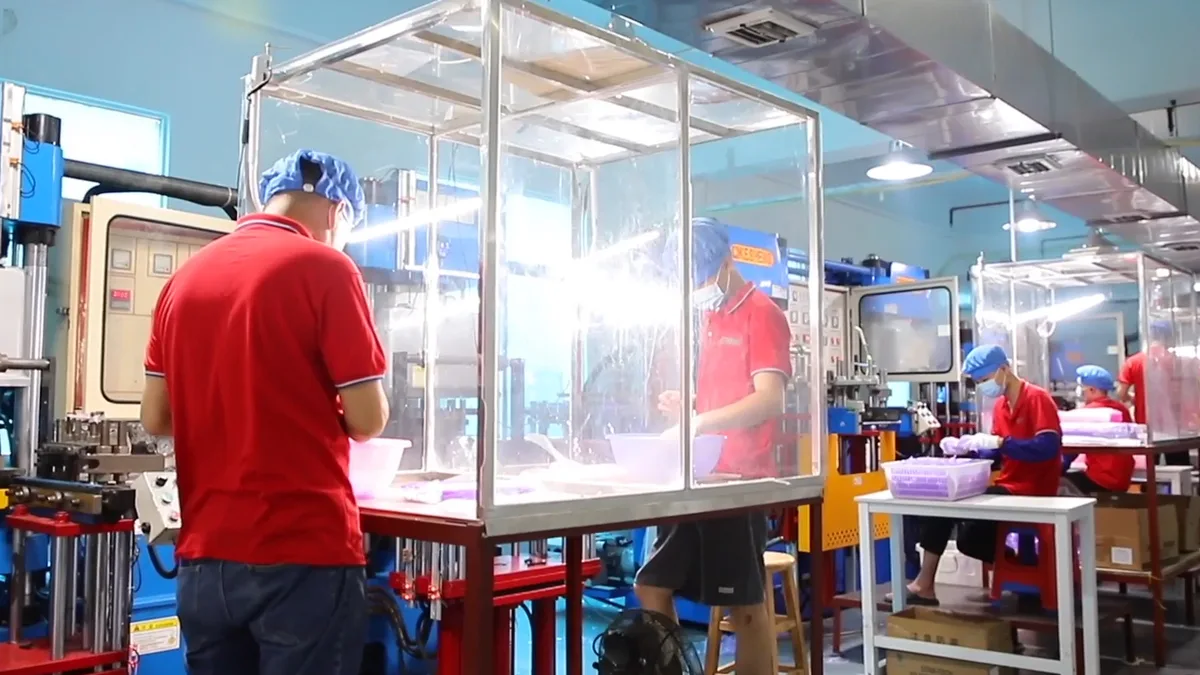
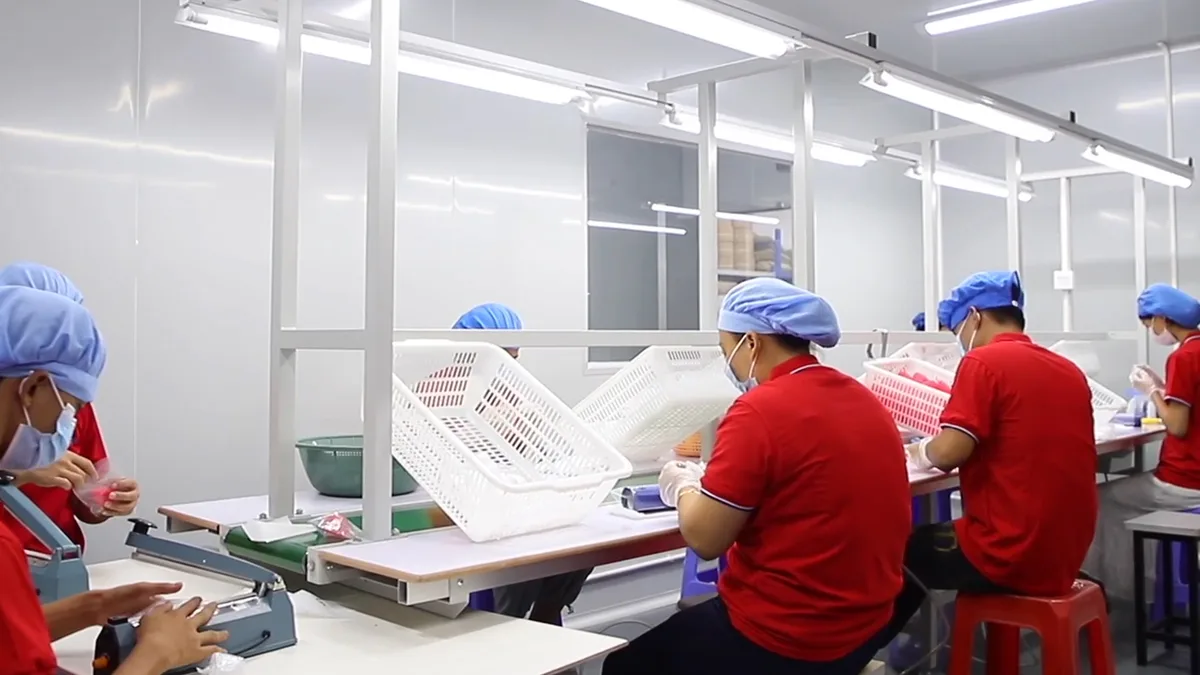
Menstrual cups and discs are molded from medical-grade liquid silicone (LSR) under QMS records suitable for FDA registration, EU MDR files, and pharmacy audits. A credible OEM partner already operates:
- ISO 13485–aligned QMS (ISO certification)
- Controlled production (clean room)
- LSR injection cells (production process)
- In-process and release QC (quality control)
- Material traceability, COAs, and biocompatibility evidence (SGS, silicone material)
Use our factory tour and OEM services hub as a due-diligence checklist when you audit any supplier — including Furuize.
Why Building Rarely Beats OEM (Order-of-Magnitude Reality)
Owning a greenfield medical silicone plant is a multi-million-dollar, 18–24 month program, not a six-month workshop. Illustrative ranges only (China, 2026) — not a build-your-own blueprint:
| Reality check | Typical scale |
|---|---|
| Greenfield capex (lines, cleanroom, lab, QMS setup) | Multi-million USD before a competitive mold library |
| Time to first commercial shipable lot | Often 14–18+ months greenfield |
| Fixed annual opex (payroll, HVAC, surveillance) | High fixed cost — underfilled lines destroy unit economics |
| Brand volume where owned plant can make sense | Usually high six / seven figures units/year with multi-year forecast |
A brand shipping 10k–50k units/year almost never reaches competitive EXW cost versus a filled OEM line. Compare OEM unit economics in the private label cost breakdown.
SEO note for buyers: searches like “manufacturing plant cost” attract feasibility-report traffic — not wholesale or private-label buyers. If you are here to source product, skip to the OEM path below.
Build vs OEM — Decision Matrix
Score 1–5 per row (5 = strongly favors that column).
| Factor | Build your own plant | Partner with OEM manufacturer |
|---|---|---|
| Upfront cash | 1 | 5 |
| Time to first SKU | 1 | 5 |
| Regulatory risk | 2 | 4 |
| Margin at 50k units/yr brand | 2 | 4 |
| Margin at 2M+ units/yr house brand | 5 | 3 |
| Flexibility (multi-SKU test) | 2 | 5 |
| IP control (mold steel) | 4 | 3 (with contract) |
| Peak capacity flexibility | 4 | 3 (forecast-dependent) |
Rule of thumb: if the build column only wins when you assume 2M+ units and a full RA team, choose OEM.
Who Should Outsource (Most B2B Buyers)
| Profile | Recommended path |
|---|---|
| DTC brand under multi-million revenue | Private label OEM — invest in GTM |
| Regional distributor / importer | Wholesale bulk or hybrid private label |
| Pharmacy / retail house brand | OEM until volume and channel are proven |
| Amazon / marketplace seller | Catalog OEM + compliance pack |
| Strategic with explicit plant mandate | Dedicated line or brownfield after OEM validation |
Who should not build: brands treating “factory ownership” as marketing; teams without QA/RA headcount; founders who have not yet vetted a supplier.
The Smarter Middle Path (Still Not Greenfield)
| Model | Best for |
|---|---|
| Catalog OEM + branding | Fast launch, MOQ from 500/SKU |
| Private label packaging + logo | DTC and retail brand equity |
| Mold ownership at OEM | Geometry control without plant capex |
| Dedicated capacity block at OEM | Growing brands with forecast |
Furuize supports catalog bulk cups, discs, private label, packaging, and mold development under one ISO 13485 system — see the full manufacturer hub.
OEM Path: What to Do Instead of Building
- Define channel — DTC, pharmacy, wholesale, Amazon (solutions).
- Pick SKU model — cup, disc, or portfolio (catalog hub).
- Lock compliance tier — FDA, CE, ISO 13485.
- Request samples + quote — MOQ, branding, pack, lead time via contact.
- Audit evidence — factory tour, COA samples, quality agreement.
- Scale — wholesale tiers or private label packaging once reorder rate is proven.
What a Factory Visit Should Prove (Due Diligence)
Before any large PO — whether you plan long-term OEM or eventual vertical integration — walk a running plant:
- LSR flash/trim discipline and lot travelers
- Cleanroom and QC lab practices
- Retained samples and CAPA examples
- Mold storage and change control
- Export documentation readiness
Schedule a visit or virtual tour with Furuize, or apply the same agenda to any shortlist during supplier selection.
Conclusion — Outsource Manufacturing, Own the Brand
Building a menstrual cup plant is rational only when volume, capital, and talent justify owning utilization risk. Most brands and distributors maximize ROI by partnering with an ISO-certified menstrual cup manufacturer, owning molds and brand IP, and investing in sales and compliance — not cleanroom HVAC.
Next steps for B2B buyers:
- OEM manufacturer services hub
- Private label menstrual cup programs
- Wholesale / bulk supply
- Request a factory quote
If you are still modeling both paths, run a parallel comparison: your real 12–24 month unit forecast versus an OEM tier quote — not a fantasy plant utilization spreadsheet.